
Winterizing Your Car in Wilsonville: Essential Cold-Weather Maintenance Tips
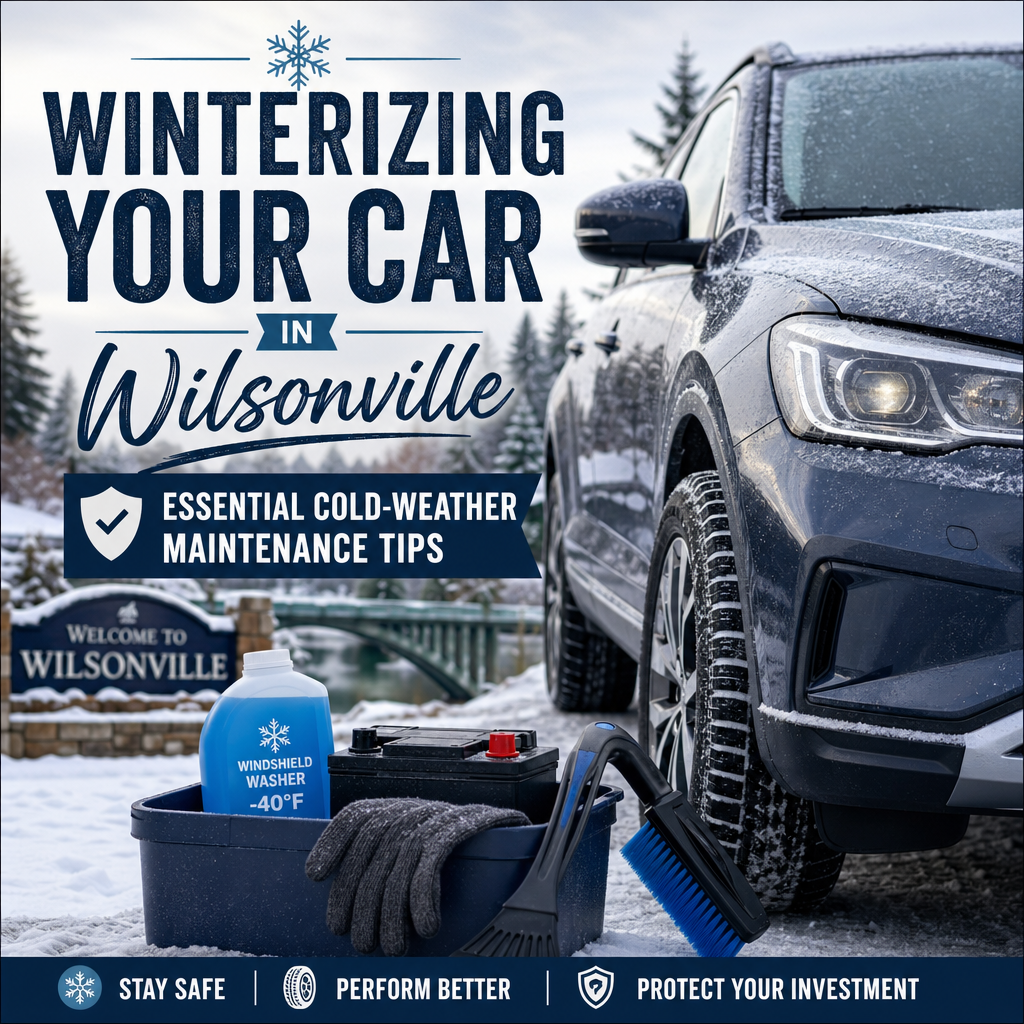
Winterizing Your Car in Wilsonville: Essential Cold-Weather Maintenance Tips
When the temperature drops in Wilsonville, your car needs a little extra attention to stay reliable, safe, and ready for the road. Cold weather can affect everything from battery performance to tire grip, and even a small issue can become a major inconvenience on a chilly morning. The good news is that a few simple maintenance steps can help you avoid winter breakdowns and keep your vehicle running smoothly all season long.
Why winter car care matters
Cold weather puts added stress on your vehicle. Fluids thicken, rubber hardens, tire pressure drops, and batteries lose strength in low temperatures. If you commute daily, run errands around town, or head out on weekend drives, these seasonal changes can impact both comfort and safety.
Taking time to winterize your car in Wilsonville helps you prevent common cold-weather problems before they start. It also gives you peace of mind knowing your vehicle is prepared for wet roads, frosty mornings, and unpredictable winter conditions.
Check your battery before the cold hits
One of the most common winter car problems is a weak or dead battery. Batteries work harder in cold weather, and older batteries often struggle the most.
Look for these warning signs:
- Slow engine cranking
- Dim headlights
- Corrosion around the battery terminals
- A battery that is more than three years old
If your battery is showing signs of wear, have it tested before winter weather settles in. Replacing it early is much better than getting stranded in a parking lot on a freezing morning.
Inspect your tires and tire pressure
Your tires are your car’s only contact with the road, so they play a major role in winter safety. Cold air causes tire pressure to drop, which can affect handling, fuel efficiency, and braking.
Before winter arrives, check:
- Tire pressure
- Tread depth
- Uneven wear
- Overall tire condition
Make sure your tires are inflated to the manufacturer’s recommended pressure, not the number listed on the tire sidewall. If your tread is low, it may be time for new tires. For drivers who often deal with wet roads or colder temperatures, all-season or winter tires can provide better traction and control.
Top off and change essential fluids
Your car depends on several fluids to operate properly, and winter weather can make those fluids work less efficiently. This is a good time to inspect and refill the following:
Engine oil
If your oil is dirty or overdue for a change, replace it before the coldest months hit. Some vehicles also benefit from winter-grade oil, depending on the manufacturer’s recommendations.
Coolant and antifreeze
Your coolant system helps regulate engine temperature and prevents freezing. Check the coolant level and mixture to ensure it’s suitable for winter.
Windshield washer fluid
Use winter-rated washer fluid that won’t freeze in low temperatures. Visibility can change quickly in rainy or icy conditions, so this small step matters more than you might think.
Brake fluid and transmission fluid
If your vehicle is due for routine service, have these fluids checked as well. Clean, full fluids help keep your car operating safely and efficiently.
Replace worn wiper blades
Winter weather often means more rain, slush, and road spray. If your wiper blades are streaking, squeaking, or missing spots, replace them before the season gets worse. Good visibility is essential, especially during dark, wet mornings and early evenings.
You may also want to keep a spare set of wiper blades in your trunk if you drive often or take longer commutes.
Test your lights
Shorter days mean more time driving in the dark. That makes your headlights, brake lights, turn signals, and hazard lights even more important.
Walk around your vehicle and check that all lights are working properly. Replace any burned-out bulbs right away. Clean dirty lenses too, since grime and moisture can reduce visibility.
Build a winter emergency kit
Even with good maintenance, it’s smart to prepare for the unexpected. A winter emergency kit can make a big difference if you get stuck or delayed.
Consider keeping these items in your car:
- Blanket or extra warm clothing
- Flashlight with batteries
- Jumper cables
- Ice scraper and snow brush
- First aid kit
- Non-perishable snacks
- Bottled water
- Phone charger
- Small shovel
- Traction aid, such as sand or cat litter
These supplies take up little space but can be incredibly useful in an emergency.
Don’t forget the brakes
Winter roads can be slippery, so your brakes need to be in top shape. If you notice squeaking, grinding, vibration, or a longer stopping distance, have them inspected. Reliable brakes are one of the most important safety systems on your car, especially during cold, wet weather.
Stay ahead of winter car troubles
Preparing your vehicle for winter doesn’t have to be complicated. With a battery check, tire inspection, fluid top-off, and a few safety essentials, you can reduce the risk of unexpected problems and drive with confidence.
If you want to winterize your car in Wilsonville, start with the basics and schedule any needed maintenance before temperatures drop further. A little preparation now can save you time, money, and stress later in the season.