
How Regular Inspections Save Wilsonville Drivers Thousands in Repairs
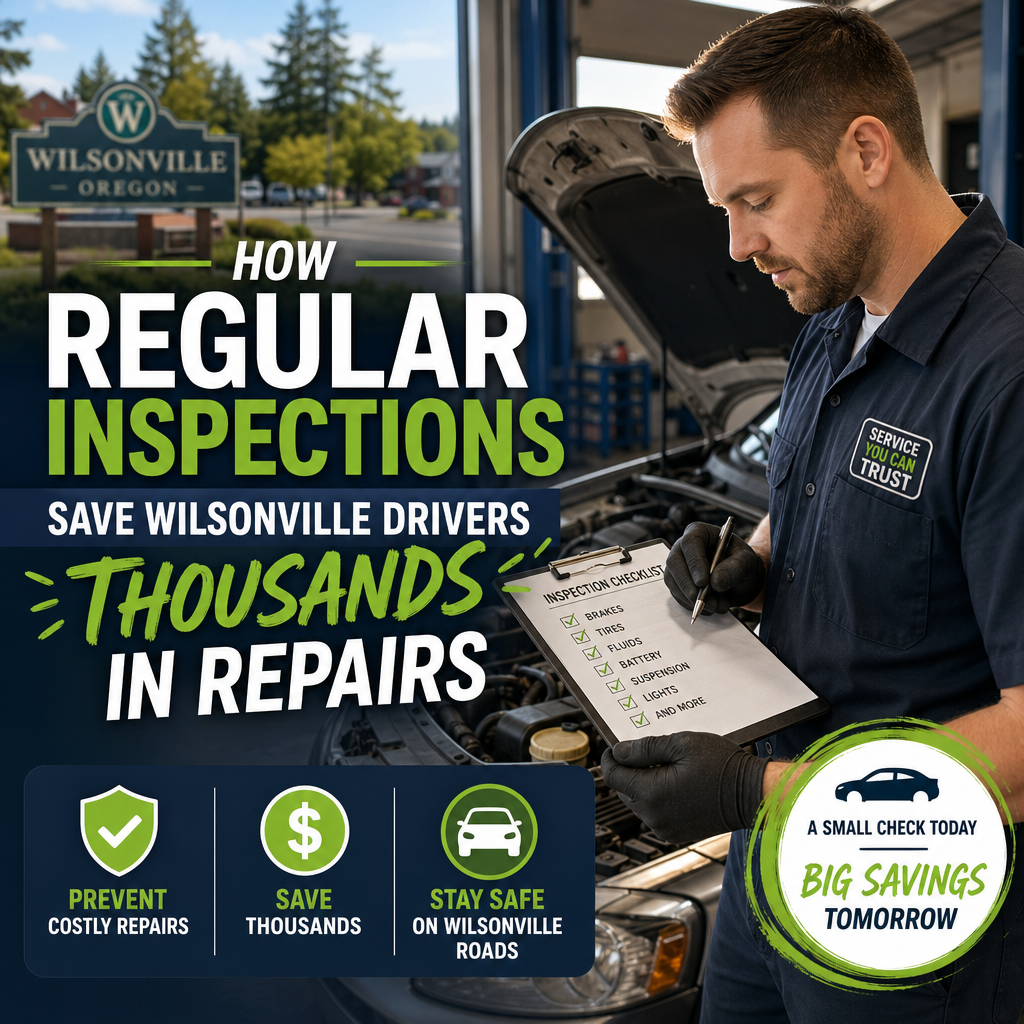
How Regular Inspections Save Wilsonville Drivers Thousands in Repairs
Most drivers think of vehicle inspections as a box to check, a formality, or something to delay until a warning light comes on. But for Wilsonville drivers, regular inspections are one of the simplest ways to avoid expensive surprises and keep a car running safely for years.
A small issue caught early can often be fixed for a fraction of the cost of a major repair. That is the real value of inspections: they help you find problems before they become emergencies. If you want to protect your wallet, extend your car’s life, and drive with more confidence, regular inspections are one of the smartest habits you can build.
Why Inspections Matter More Than Most Drivers Think
Cars rarely fail all at once. In most cases, a major repair starts as a minor problem that slowly gets worse. A worn belt, a tiny fluid leak, uneven tire wear, or a weak battery can seem harmless at first. Left alone, though, each one can trigger bigger damage.
Regular inspections help spot those issues early.
A trained technician can notice signs that the average driver might miss, such as:
- Leaking hoses or seals
- Low or dirty fluids
- Brake wear
- Suspension problems
- Uneven tire tread
- Battery corrosion
- Engine warning indicators
- Early signs of overheating
Catching these concerns early often means a simple repair instead of a costly breakdown.
The Cost Difference Between Early Repairs and Late Repairs
The biggest reason inspections save money is timing. Minor maintenance is almost always cheaper than major repair work.
For example:
- Replacing brake pads early costs far less than replacing rotors and calipers later
- Fixing a small oil leak is cheaper than repairing engine damage caused by low oil
- Replacing a weak battery before winter is easier than paying for a tow and emergency service
- Repairing tires with uneven wear can prevent the need for a full set of replacements
When one issue affects another, repair costs can stack up quickly. A short inspection can help you avoid that chain reaction.
For Wilsonville drivers who rely on their vehicles for commuting, errands, and family travel, that kind of prevention can make a real difference in the yearly car budget.
How Regular Inspections Improve Safety Too
Saving money is important, but inspections also protect you and your passengers.
A vehicle with worn brakes, bad tires, or suspension trouble may still seem fine during normal driving. But in a sudden stop, wet weather, or a long highway trip, those hidden problems can become dangerous fast.
Regular inspections improve safety by checking systems that affect:
Braking
Brake pads, rotors, brake fluid, and related parts must work properly for reliable stopping power.
Tires
Proper tread depth and tire pressure matter for grip, fuel economy, and handling.
Steering and suspension
These systems affect how stable and predictable your car feels on the road.
Engine performance
Fluid levels, belts, hoses, and sensors all help your engine run efficiently and avoid breakdowns.
When inspections catch these concerns early, they help reduce the risk of roadside emergencies and accident-related repairs.
Seasonal Changes Make Inspections Even More Important
Wilsonville drivers know that weather and road conditions change throughout the year. Temperature shifts, wet roads, and seasonal driving demands can all put extra stress on a vehicle.
Regular inspections are especially helpful before:
- Winter driving
- Summer road trips
- Long commutes
- Heavy rainy seasons
- Major holiday travel
Cold weather can weaken batteries and thicken fluids. Heat can strain cooling systems and tires. Rain increases the importance of strong brakes and good tread. A seasonal inspection helps make sure your vehicle is ready before conditions become more demanding.
Common Problems Inspections Catch Early
Some of the most expensive repairs begin with very small warning signs. Regular inspections often catch issues such as:
- Oil leaks
- Worn brake pads
- Cracked belts
- Dead or weak batteries
- Dirty air filters
- Transmission fluid concerns
- Tire damage or low tread
- Cooling system problems
Each of these can lead to bigger repair bills if ignored. For example, a bad belt can leave you stranded. A neglected coolant issue can lead to overheating. A tire problem can cause suspension damage or a blowout.
The earlier the problem is found, the easier it usually is to fix.
How Often Should You Get Your Vehicle Inspected?
The right schedule depends on your vehicle, mileage, and driving habits, but a good rule is to stay consistent. Many drivers benefit from inspections:
- At least once or twice a year
- Before road trips
- Before seasonal weather changes
- Whenever warning lights appear
- After noticing strange sounds, smells, or handling changes
If your car is older or sees heavy use, more frequent inspections may be worth it. The key is not waiting until something fails.
A Small Habit That Protects Your Budget
Regular inspections may feel like an extra task, but they are really a money-saving strategy. They help Wilsonville drivers avoid costly repairs, reduce the chance of breakdowns, and keep vehicles safer on the road.
Instead of paying for one huge repair after another, you can stay ahead of problems with routine care. That means fewer surprises, less stress, and more miles from the vehicle you already own.
In the long run, regular inspections are not just about maintenance. They are about protecting your investment and saving thousands over the life of your car.