
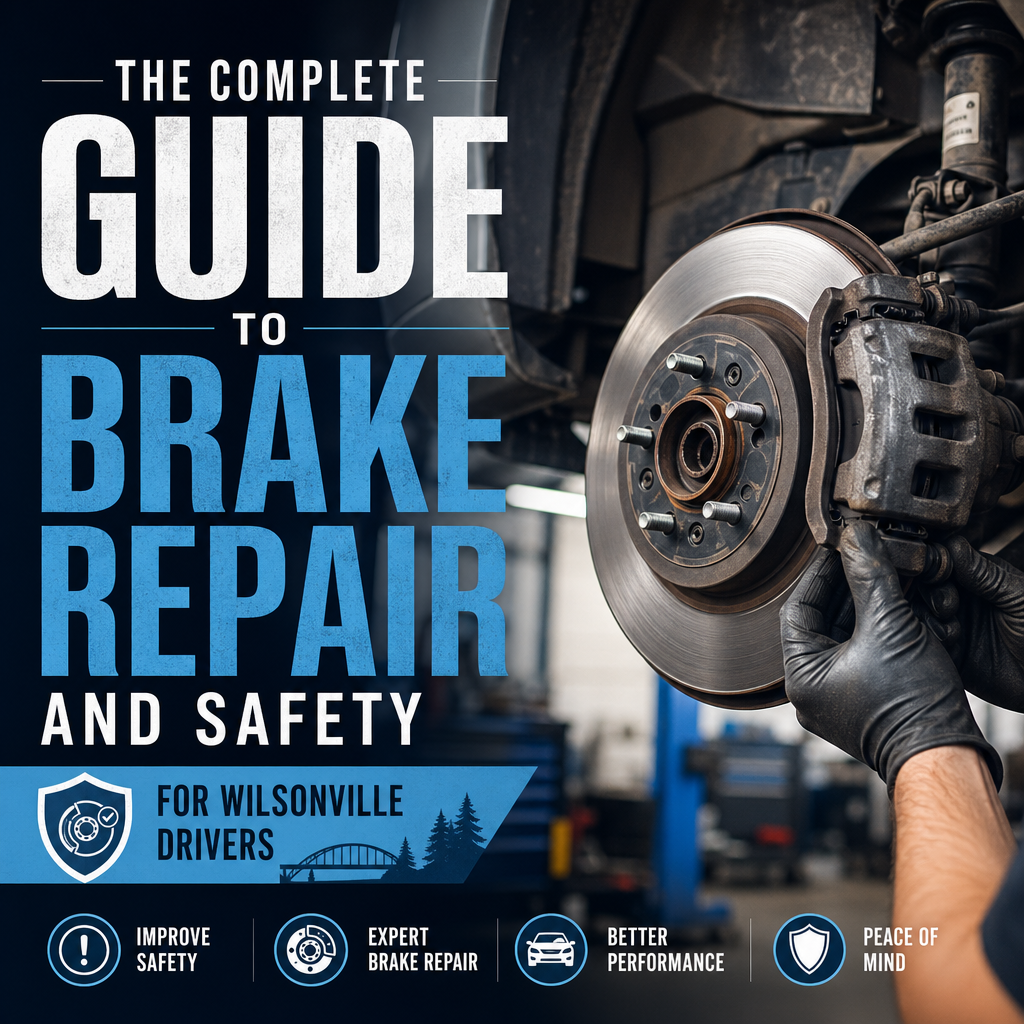
The Complete Guide to Brake Repair and Safety for Wilsonville Drivers
The Complete Guide to Brake Repair & Safety for Wilsonville Drivers
Your brakes are one of the most important safety systems on your vehicle. Whether you’re commuting through Wilsonville, running errands around town, or heading out on the highway, reliable brakes help you stay in control and protect everyone on the road. Understanding the basics of brake repair and safety can help you catch problems early, avoid costly damage, and drive with greater confidence.
This guide covers the warning signs of brake trouble, what brake repair typically includes, and how Wilsonville drivers can keep their vehicles safe year-round.
Why Brake Safety Matters
Brake problems rarely improve on their own. In fact, small issues can quickly become serious if ignored. Worn pads, leaking fluid, warped rotors, or damaged calipers can all affect stopping distance and vehicle control.
That matters even more in everyday driving conditions. Wet roads, stop-and-go traffic, steep grades, and sudden stops all demand a responsive braking system. Good brakes help you react quickly and reduce the risk of collisions.
Common Signs You Need Brake Repair
Brake issues usually give off warning signs before they turn into a major repair. Paying attention to these symptoms can save you time, money, and stress.
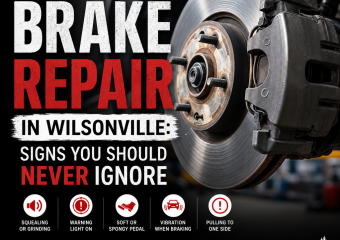
Squealing or Grinding Noises
A high-pitched squeal often means your brake pads are wearing thin. If you hear grinding, the pads may be completely worn down, allowing metal-to-metal contact that can damage the rotors.
Soft or Spongy Brake Pedal
If the brake pedal feels unusually soft or sinks too far before the car slows, there may be air in the brake lines or a problem with the brake fluid system.
Vibrations When Braking
A shaking steering wheel or vibrating pedal can point to warped rotors or uneven brake wear. This is a sign your braking system needs inspection.
Longer Stopping Distances
If your car takes longer than usual to stop, do not ignore it. Reduced braking performance is a serious safety concern and should be checked right away.
Warning Lights on the Dashboard
Many modern vehicles have brake warning lights or ABS indicators. If one comes on, it means your vehicle’s braking system needs attention.
What Brake Repair Usually Includes
Brake repair can range from simple maintenance to more involved part replacement. A professional inspection can identify exactly what needs to be done.
Common brake repair services include:
- Replacing worn brake pads
- Resurfacing or replacing rotors
- Checking and topping off brake fluid
- Inspecting brake lines and hoses for leaks
- Replacing damaged calipers
- Testing the ABS system
- Lubricating brake components where needed
Not every brake issue requires a full overhaul. Sometimes replacing pads early can prevent damage to more expensive parts like rotors and calipers.
How Often Should Brakes Be Checked?
There is no one-size-fits-all answer, since brake wear depends on driving habits, terrain, and vehicle type. However, it is wise to have your brakes inspected at least once a year or during routine maintenance.
Wilsonville drivers who frequently deal with heavy traffic, hilly roads, or lots of stop-and-go driving may need brake checks more often. If you hear noises or notice a change in braking feel, schedule an inspection sooner rather than later.
Brake Safety Tips for Wilsonville Drivers
Keeping your brakes in good condition starts with consistent care. A few simple habits can make a big difference.
1. Don’t Ride the Brakes
Constantly pressing the brake pedal, especially on downhill roads, creates extra heat and wear. Use smooth, controlled braking instead.
2. Watch for Fluid Leaks
Brake fluid is essential for proper hydraulic pressure. If you notice puddles or spots under your vehicle, have it checked immediately.
3. Listen for Changes
Your car often tells you when something is wrong. New noises, smells, or pedal changes should never be ignored.
4. Keep Up with Routine Maintenance
Regular tire rotations, inspections, and fluid checks help your entire vehicle perform better, including the braking system.
5. Act Quickly on Warning Signs
When brake problems begin, time matters. Delaying repairs can lead to more expensive damage and greater safety risks.
When to Schedule Brake Repair
You should schedule brake repair as soon as you notice any unusual signs, including squeaking, grinding, vibration, or reduced stopping power. It is also smart to get brakes checked before long trips, seasonal weather changes, or if your vehicle has not had an inspection in a while.
If your car is due for service, a brake inspection can give you peace of mind and help catch hidden issues early.
Final Thoughts
Brake repair is about more than keeping your vehicle running smoothly. It is about protecting yourself, your passengers, and everyone else on the road. For Wilsonville drivers, staying alert to warning signs and making brake maintenance a priority can make every drive safer.
A well-maintained brake system delivers better performance, greater reliability, and more confidence behind the wheel. If your brakes seem off in any way, do not wait—have them inspected and repaired as soon as possible.